The Manner of Happiness
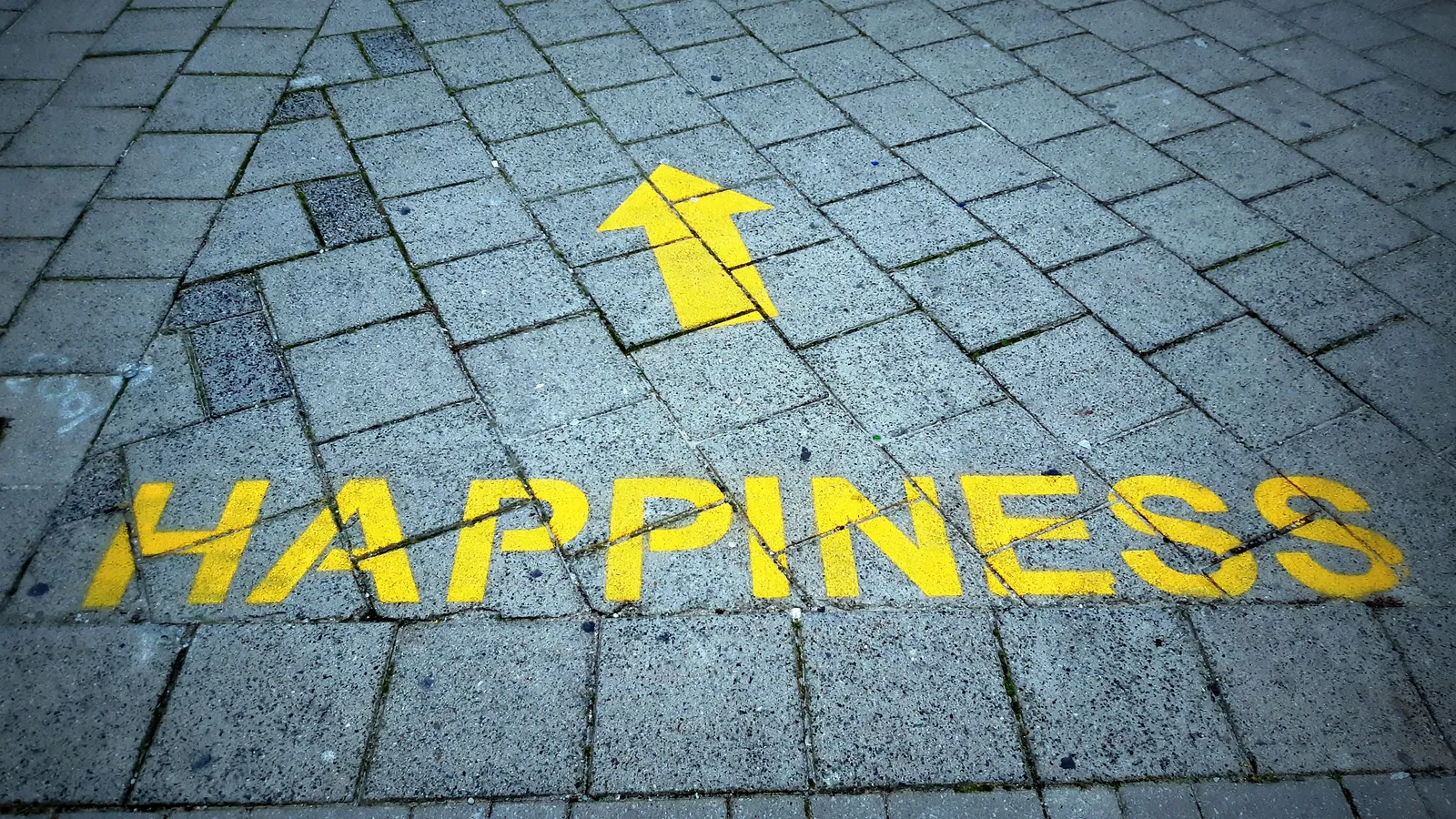
The ability to communicate with one another doesn’t require the ability to provide a dictionary definition of all the words we use. However, there are often times when considering the meaning of a word will enhance its significance in our speech and writing.
I’m happy.
That’s a simple phrase most of us have used at times in our lives, even if infrequently.
But, what is happiness?
If we ask our friends at Merriam-Webster, they’ll tell you that happiness is, first, the state of being happy.
Thanks MW. That’s really useful. Isn’t there some rule about not using a word to define itself?
They do offer a fuller definition: a state of well-being and contentment; a pleasurable or satisfying experience.
The fuller definition offers some deeper insight. But, I’m still not content with the definition.
Verywellmind.com states that “happiness is an emotional state characterized by feelings of joy, satisfaction, contentment, and fulfillment.” Of course, each of those words makes reference to happiness or being happy in its own definition. Also, I’m not sure happiness is, strictly speaking, an emotional state. Characterizing anything as an emotional state implies we need to be a certain way when experiencing that emotion. Not so.
It’s all a bit circular, isn’t it. Who knew defining a word could be so difficult.
The Britannica offers a definition more satisfactory to the purpose of this little musing:
Happiness [is] a state of emotional well-being that a person experiences either in a narrow sense, when good things happen in a specific moment, or more broadly, as a positive evaluation of one’s life and accomplishments overall.
All of that is still subject to change without notice; happiness can be (and usually is) fleeting. Things routinely come along that attempt to disrupt happiness: illness, loss, pain, frustration, anger. But those are things that I define as interruptors of happiness. A rock climber may find great happiness while experiencing the pain and fatigue of a long climb.
Martin Seligman posited that we can (and often do) experience three kinds of happiness.
Pleasure and gratification
Embodiment of strengths and virtues
Meaning and purpose
Even in Seligman’s kinds of happiness, we find no condition of permanence.
Does it make you sad to know you can’t always be happy?
That question, of course, is far too narrow since sadness is not the antithesis of happiness. It is actually possible to be sad and happy at the same time. You have only to think about someone you loved who has died to see that as truth.
Because of its subjectivity, happiness is hard to define; it does, and always will, mean different things to different people. Seligman, however, does us the favor of offering some food for thought.
Generally, the more meaning and purpose we assign to or find in our everyday experiences, the more happiness we can find, amidst the good times and the bad. Embrace the fact that you won’t always be happy, but that you can learn from experiences that steal your happiness.
As Albus Dumbledore once said, “Happiness can be found, even in the darkest of times, if one only remembers to turn on the light.”
Thanks for reading!
Comments