Embrace the Idea of Doing Less
I was born in 1978. There are a lot of characteristics from Gen X a few from the Millennial generation that describe me. Someone coined the term Xillennial to describe those born right at the end and beginning of those two generations.
Maybe I’m a Xillennial.
There seems to be a prominent characteristic among those born in that timeframe (mid-1970s to mid-1980s): hardworking. . .to a fault.
For far too many years, I’ve worn busyness like a badge of honor. I wake most mornings at 4:00 am and often don’t go to sleep until after 11:00 pm.
As I get older, I’m beginning to find that kind of sleep schedule unsustainable. However, the long list of things to do often robs me of much-wanted sleep in the early morning hours.
Self improvement. Family time. Community time. Meetings. Work projects. Yard projects. House projects.
The heart-stopping rise of inflation and out of control taxes, coupled with a generalized, insatiable consumeristic tendency have led to a period of time where people aren’t frantically trying to keep up with their neighbors anymore but only themselves.
It would take a treatise much longer than this to explain how we got where we are. Still, understanding, at least in part, how we got here is critical to ensure making appropriate decisions moving forward. Make no mistake, unless a major course correction is taken, much of society will remain on a train accelerating toward ruin and chaos.
Cal Newport is an actual genius. He’s an MIT-trained computer science professor at Georgetown University who also writes awesome books. In his book Slow Productivity: The Lost Art of Accomplishment without Burnout, he makes a profound observation that we are “cramming professional effort into every corner of our lives, hoping that this ceaseless action somehow adds up to something meaningful.”
Wow!
Hoping that this ceaseless action somehow adds up to something meaningful.
That phrase blows my mind.
A general human characteristic is that we want to do something meaningful; to be remembered for something. It’s a paradox, then, that the current state of hyper-productivity and “ceaseless action” don’t add up to something meaningful. They do, however, add up to burnout which translates into even less capacity to get things done. It’s a vicious cycle.
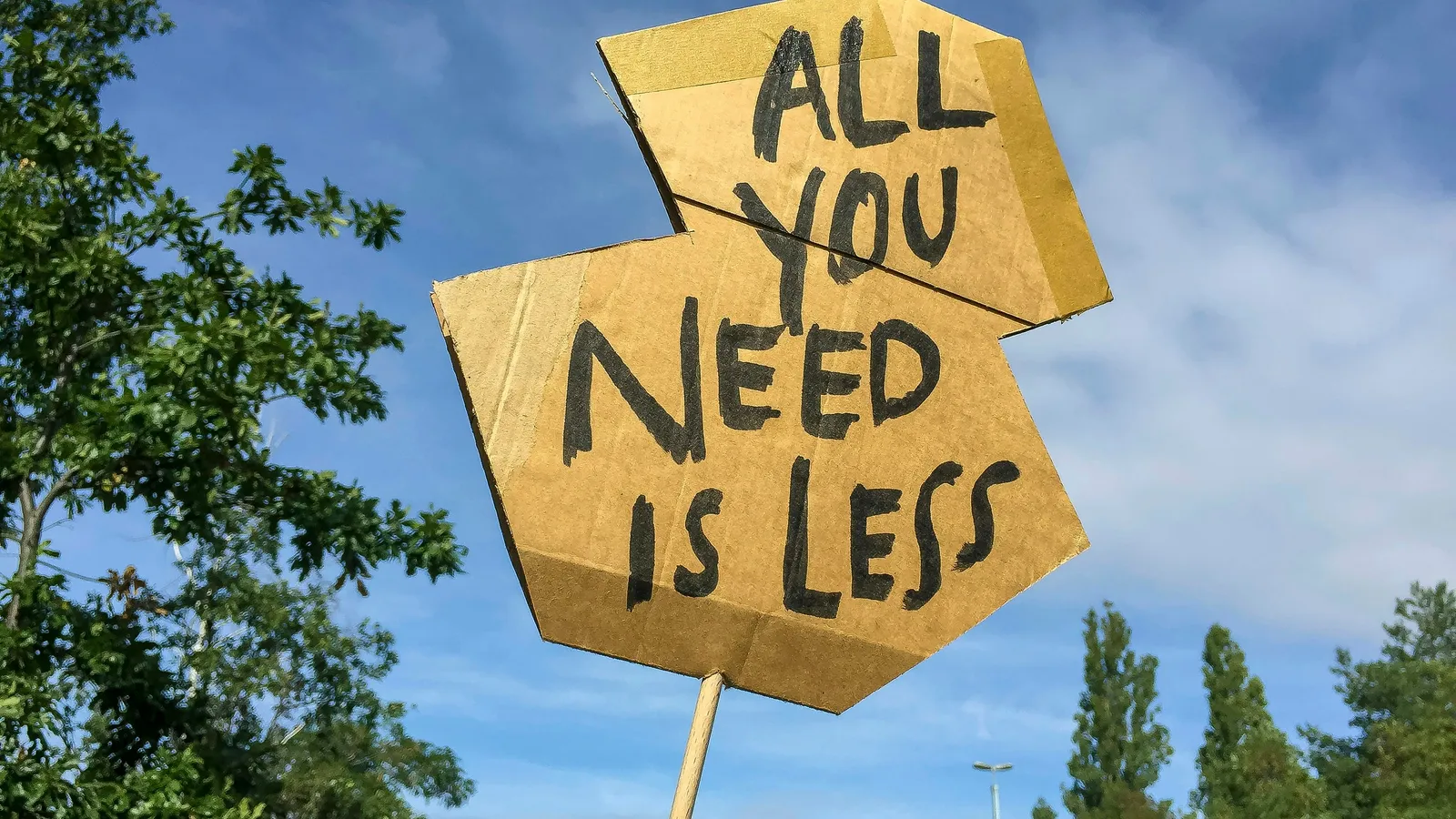
The title of Mr. Newport’s book summarizes well the idea that in order to avoid burnout, we have to do less, and do those things we do better.
There are, however, two difficulties in embracing this philosophy:
Human nature seems to drive us toward getting stuff done, and
Many of us work for employers that expect us to perform certain tasks, we have people in our personal lives that expect us to show up in a certain way for them, or both.
We might be tempted to use the word “failure” when we don’t meet our own unrealistic self-expectations or fail to meet the imposed expectations of others. Again, perhaps a combination of both.
Because there is a growing body of people not willing to work, it leaves an ever greater burden on the shoulders of those who are willing. Employers and employees alike often get lost in the sea of “there’s work to do so we have to do it” mentality. The reality is here is a minimum amount of work that has to be done to keep businesses afloat.
It’s a difficult Catch 22.
While burnout in our personal lives is just as real as burnout in business, I’m going to focus on the latter. Perhaps I’ll come back to personal life burnout in another article.
Whether self-employed or employed by someone else, burnout can happen. As Mr. Newport says, burnout is a direct result of ceaseless action not leading to something meaningful. It’s caused by too many people, ourselves included, putting demands on the time we have available for work.
Part of the struggle for so many businesses is that the humans steering the ship often want to do more than is necessary because the “shareholders” demand a return on their investment. Even in privately-held companies, the owners often want to improve their personal economy by getting more out of the same number of employees to ensure they (the owners) can pay themselves what they feel they deserve.
Most businesses are filled with needless things. “Needless” is the word used to describe any number of productivity killers. It’s ironic, then, that productivity is what’s killing us. What we all need are fewer needless things and less drive to be productive all the time.
The question becomes: how do you do less for an employer who might fire you if you don’t keep up with their demands?
There are two strategies that may work without causing turmoil between coworkers and the boss.
First, where possible, say no. This one is difficult because some coworkers might view that as a sign you’re not a team player. It’s unlikely you can help them see themselves as not a team player by making unnecessary demands on your time.
When the needless stuff continues to come from the boss, asking for help in prioritizing your task list can be a subtle way to help your boss realize they are asking you to do to much or shift your priorities too often.
Navigating the balance between productivity and well-being in today’s world is challenging. Embracing the idea of doing less is not just about reducing the to do list but also about prioritizing meaningful work and setting boundaries. Pressures to perform may persist, but individuals can empower themselves by learning to say no and strategically managing their workload.
Comments