Moving Forward Without Fixing Everything
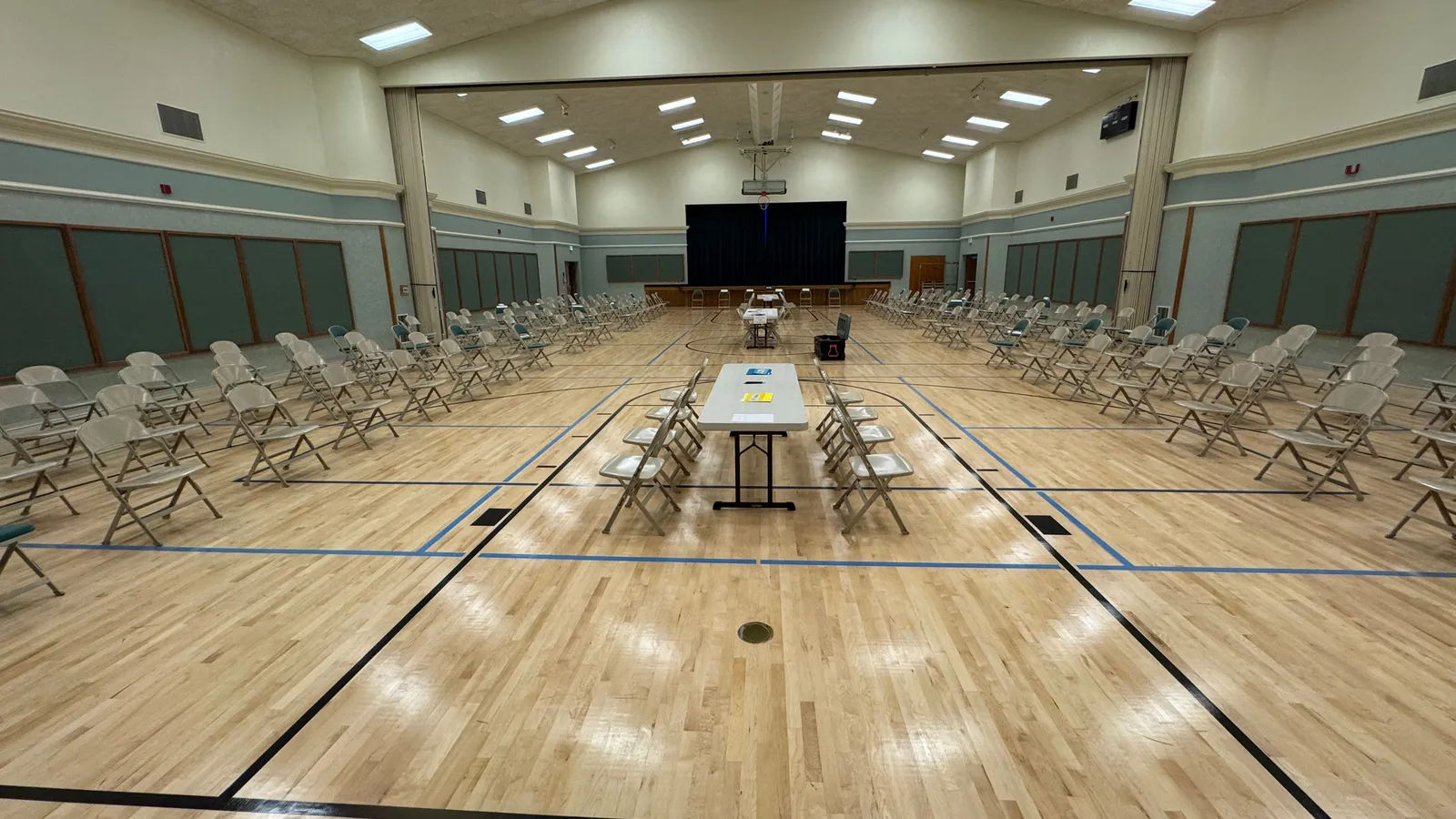
On a recent Thursday, just before two o’clock, I pushed away from my computer, got in my truck, and drove to the church building a few miles away. My wife was running an emergency preparedness event for our neighborhood — a seminar and drill she’d been planning and talking about for months. She has a committee to help with these things, but this one needed a little “extra attention.”
If I’m being honest, I hadn’t planned to help with the event. I had plenty of my own work to do. But my wife kept dancing around it, waiting for me to volunteer.
For two hours, I set up tables and chairs in a carefully arranged pattern. I didn’t mind. It felt good, actually. I like bringing order to things. I took my time lining up the legs of each chair along the same board in the wood floor. Row by row, column by column, the layout took shape until everything was crisp and ready. My kids would probably call it “extra.” They wouldn’t be wrong.
But there was no rush. No one needed me anywhere else. And for once, I didn’t feel the urge to be faster or to move on to the next thing. I just kept setting up chairs.
In a few hours, the people who came to volunteer and participate in the event would pick them all up and hang them back on the rolling racks they came from. What took me over an hour to build would be undone in minutes. And I was completely fine with that.
Both states — the neatly spaced pattern and the efficient stacks — represented a kind of order. One spacious. One compact. Neither one really better than the other. Just different expressions of usefulness. I’ve been thinking about that a bit since the activity: how so many things we try to preserve or fix are really just different phases of motion. Temporary arrangements of effort or attempts at order. And how sometimes, the better question isn’t “How do I fix this?” but “What‘s really needed from me now?”
It reminded me of a memory I hadn’t thought about in a long time.
I was maybe fifteen, sitting at a rickety old card table in our living room, working on a thousand-piece puzzle I’d spent days piecing together. I had maybe thirty or forty pieces left. I was close. My little sister, four or five at the time, was playing on the floor with her toys. She backed into one of the legs. It couldn’t have been that hard, because the table didn’t shift much. But I just watched in slow motion as the leg folded under the table and the whole puzzle slid to the floor, crumpling like the accordion doors of the church’s meeting hall.
She looked at me, then bolted out of the room.
And I didn’t yell.
I wasn’t upset. Somehow, in the split-second between the table leg giving out and the pieces hitting the floor, I saw a much bigger picture. She didn’t do it on purpose. It wasn’t carelessness. It was just life. And what she needed wasn’t a lecture on being more careful. She needed to know she mattered to her big brother more than the puzzle. And in that moment, she did.
She’s my only sister. We’re separated by 10 years, but I’ve always had a special relationship with her. Maybe our bond was shaped by that moment — puzzle pieces and all.
I still think about that sometimes when something breaks, or doesn’t go how I planned. When someone unintentionally interrupts something I’ve spent energy trying to hold together. It doesn’t require detaching from outcomes. It’s just about recognizing that not everything fragile is worth saving at all costs.
That clarity is coming slower these days, but it is coming — especially as I look back on the last few months.
In a different season, I would’ve made that Thursday church setup about control. Probably about getting credit and recognition. About over-functioning and being seen as the reliable one. I would’ve hustled for approval, and I probably wouldn’t have stopped with just the chairs. I probably would have tried to take over tasks that weren’t mine to carry.
But that day, I set up the chairs, double-checked the layout, made some adjustments after my wife arrived to do her part, then drove home before anyone but her knew what I’d done.
I returned a few hours later and participated in the event, never drawing any attention to my earlier effort. I did what was asked. I did it well. And then I let it be enough.
I still have my moments, of course. Moments when I feel like I need to fix something to be valuable. To preempt a problem before it arises. To smooth out the path for everyone else. But I’m starting to ask different questions.
What if moving forward doesn’t mean solving everything? What if the goal isn’t to avoid every mess, but to show up with enough presence to respond instead of react? What if I can leave the puzzle on the floor and still be whole? (I didn’t leave the puzzle. I rebuilt it.)
I’ve spent so much of my life trying to earn peace through productivity. To finish one more thing before I rest. To fix one more mess before I feel worthy. But I’m learning, slowly, that peace isn’t the prize at the end of the checklist. It’s something you practice when you choose not to reach for control you don’t need.
And sometimes that looks like lining up chairs in an empty church building. Quietly. Carefully. Not for applause, but because it helps someone you love.
Then walking away.
Later, this brief text exchange with my wife:
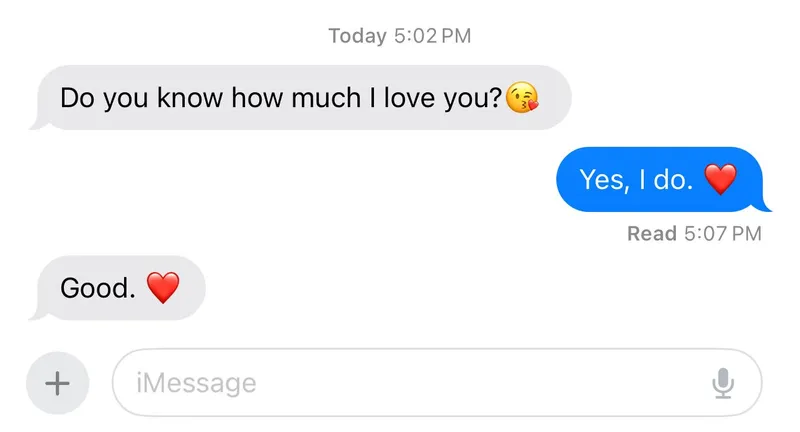
That? That was enough.
And I’m still learning to trust that.
And that is enough.
If any of this resonates with you, I wrote a book you might appreciate.
It’s called You Don’t Have to Escape to Be Free — a collection of my reflections on identity, meaning, and building a life I don’t want to run away from.
You can check it out here:
Comments