The Ache Beneath the Armor
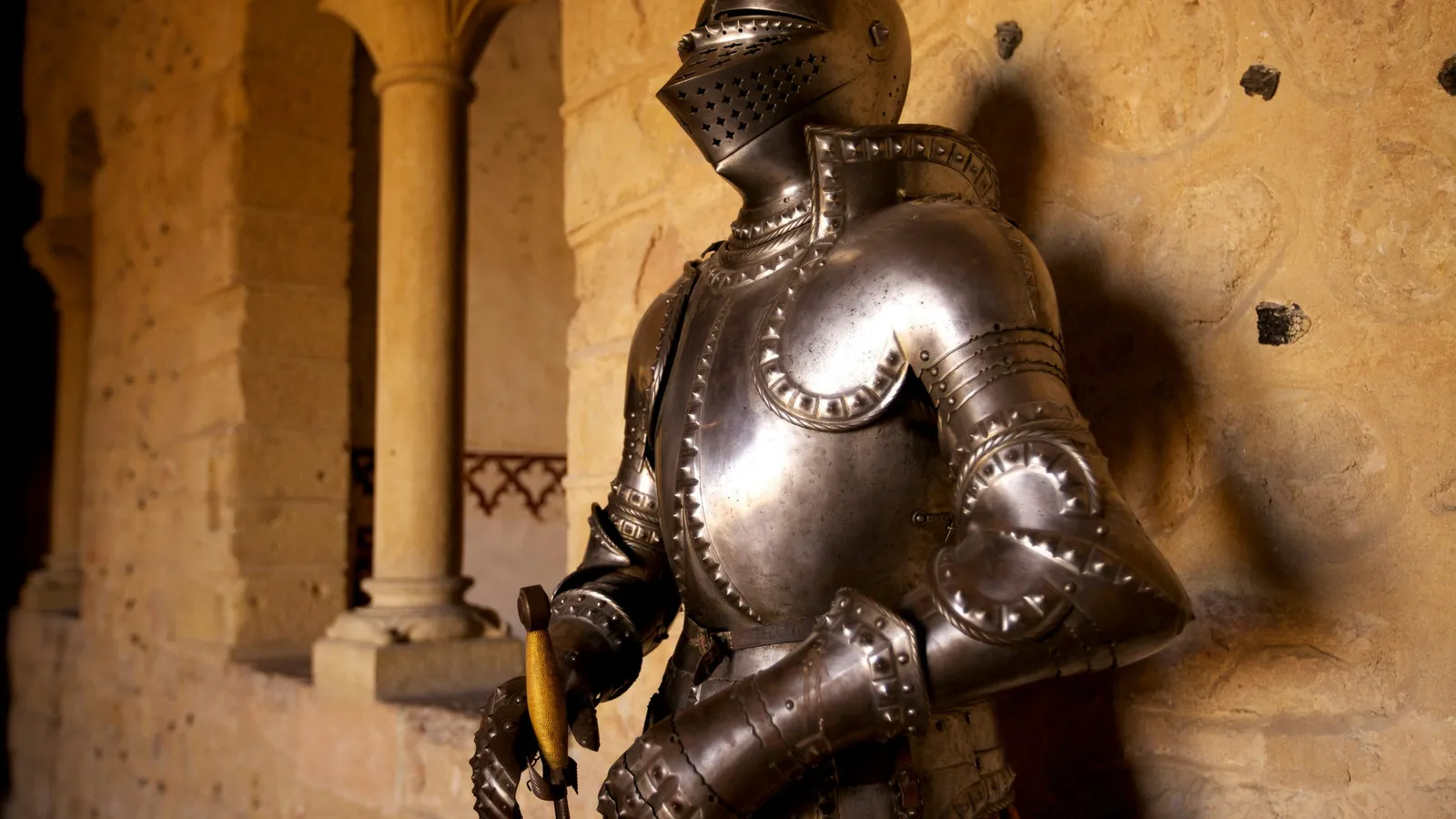
Some pain hides under layers we’ve worn for years, buried so deep we sometimes forget it’s there, until something presses just hard enough to remind us.
It happened while I was sitting at my computer, writing another article on Medium. The house was quiet around me. I usually write in the early mornings (like today), when everyone is still asleep. The refrigerator to my left was humming. A few seconds later, the ice maker dumped a load of crunchable cubes into the hopper.
I was rereading something I’d just written that was deeply personal. That’s become a familiar practice lately as I continue to unpack a lifetime of carrying uninvited things I chose to pick up. Maybe it was the sound of the ice falling. I’m not sure. But my hands froze on the keyboard, mid-sentence.
It was like something cracked.
I sat there, suddenly overwhelmed. My chest tightened. My eyes burned.
Grief.
It didn’t belong to the moment. It wasn’t connected to anything recent. That’s how I knew it was old. It’s the kind that lingers in the background, protected by layers of productivity and responsibility and everything else I put on every morning like armor.
I’ve been efficient most of my life. In my work, I’ve always shown up well in a crisis — steady under pressure, calm when others are falling apart. People learn to count on you for that, especially when you’re the one who never flinches.
But there’s a cost to becoming that person. And it doesn’t happen all at once. Somewhere along the way, maybe after getting hurt or watching someone else get hurt, you start building around the pain. You call it strength, or self-control, or “just how I’m wired.” But often, it’s just fear that learned to disguise itself as capability.
I’ve used competence like a shield. If I’m useful, I can’t be a burden. If I’m successful, I won’t be rejected. If I’m always calm, I don’t have to be vulnerable.
And for a long time, it worked. Or at least, it kept me from breaking.
But it also kept me from healing.
There’s a part of me that has always equated self-sufficiency with emotional safety. I don’t like needing things, especially not other people. I’d rather anticipate every possible outcome, plan for it, solve it, and stay a step ahead of whatever might let me down. I’ve gotten good at that. But even hyper-readiness has a shelf life.
Life keeps handing out reminders. Some are small. Others cut like swords.
And sometimes, it’s the sound of ice falling into a little, plastic bin that breaks you.
The truth is, we all carry things we haven’t had the time, or maybe the tools, to unpack. Sometimes we don’t even know we’re carrying them until a conversation, a comment, or a quiet Tuesday night presses into the bruise. And that old grief, long buried, starts whispering: I’m still here.
I don’t have a dramatic story to tell. Just a growing awareness of how often I’ve armored up emotionally without realizing it, and how that armor doesn’t actually keep pain out. It just traps it inside. I can be surrounded by people who care and still feel strangely alone, because I’ve trained myself not to let anyone see what’s underneath.
A few weeks ago, someone on my team offered to take something off my plate — something I was clearly struggling to finish. I almost said no without thinking. The old script kicked in: I should be able to handle this. It’s my responsibility. They’ve got enough going on already. But I paused, took a breath, and said yes.
They finished it faster than I would have, and better.
I felt relief… followed by a strange pang of guilt. Not because I’d let them help, but because some part of me still believes that asking for help is something to be ashamed of.
That belief comes from somewhere. Not pride, exactly. More like an early, unspoken lesson: Needing less is somehow safer.
I don’t know when I started believing that lie.
But I’m beginning to notice the ways I brace against life. The reflexes I’ve trained to protect myself. The hours I’ve spent trying to outrun my own limitations. I’m not angry at the younger version of me who built that armor. He had reasons. Maybe, he needed it to survive.
But I don’t want to live that way anymore.
Because surviving isn’t the same as healing.
And healing, I’m learning, takes more than time. It takes permission to rest, to admit when something hurts, and to let the ache surface without immediately explaining it away or covering it back up.
There’s no neat bow at the end of this. Just a moment at my computer, tears running down my face, and the sudden clarity that maybe the version of strength I’ve clung to needs an update.
Some of us learned to be strong so early, we don’t even remember what it felt like to be held. We just picked up the weight and kept walking. And after a while, we forgot that we were carrying anything at all.
But life has a way of pressing in just enough to remind us.
And sometimes, while that reminder is exposing the ache, it’s also asking: What are you going to do with it?
Even if all we can do is hold the question, that is enough.
If any of this resonates with you, I wrote a book you might appreciate.
It’s called You Don’t Have to Escape to Be Free — a collection of my reflections on identity, meaning, and building a life I don’t want to run away from.
You can check it out here:
Comments