The Most Ordinary Kind of Miracles
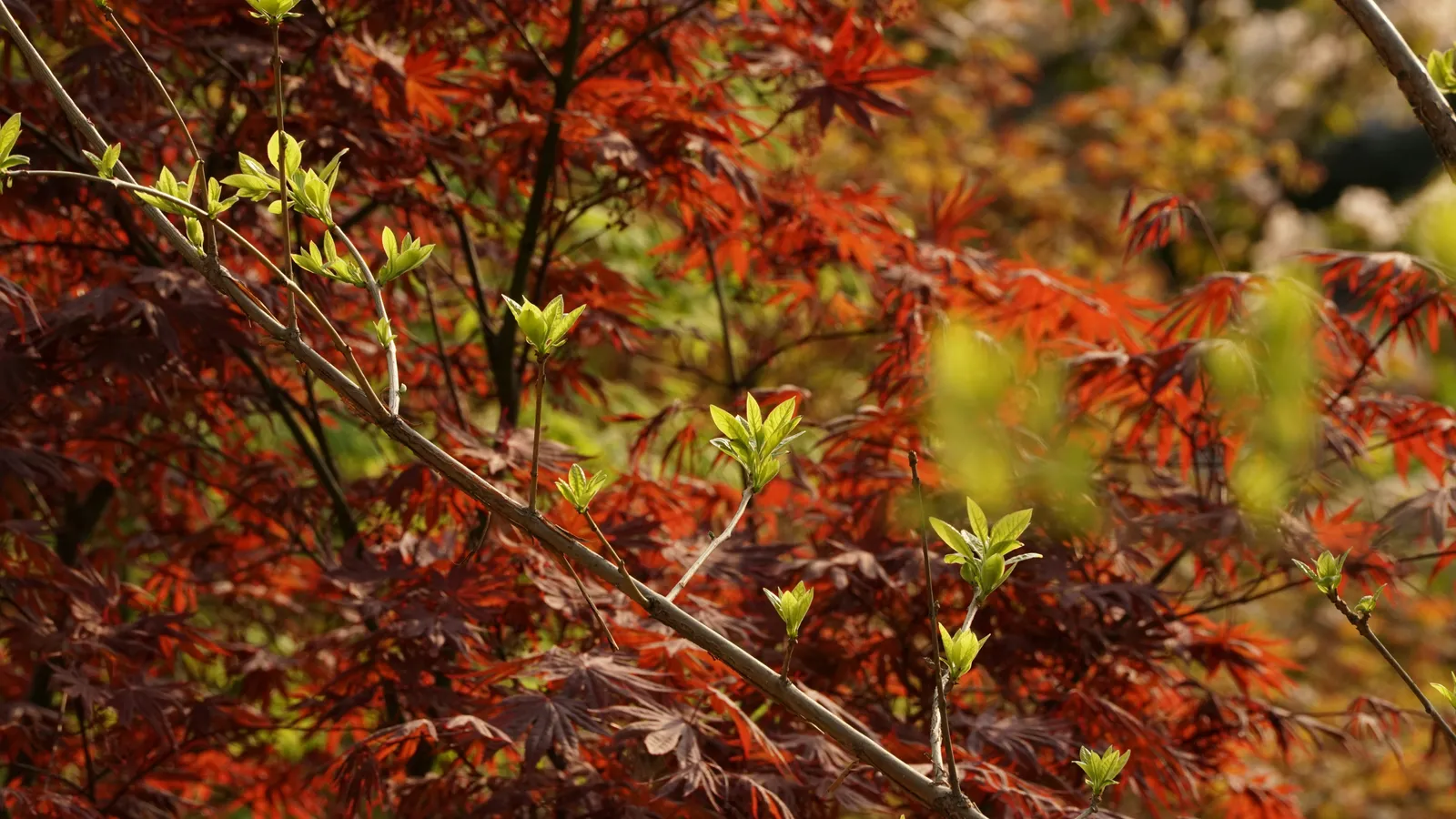
After most of my Saturday morning runs in the summer, I end up in the same place—sitting on the grass in front of our home, leaning back on my hands, catching my breath. The sun is usually high by then, but the two Flowering Chanticleer Callery Pear trees that stand in our front yard provide a wide patch of shade covering the lawn. Their leaves shimmer in the light, filtering it just enough to cool the air. I rest there, feeling the soft blades against my legs, and enjoy the quiet pulse of the world around me.
We planted those trees twenty-one years ago. They were small then, no taller than I was. Now one towers close to thirty feet, the other a bit smaller. Their branches reach toward each other, woven together in a way that makes it impossible to tell where one ends and the other begins.
They remind me of us—my wife and me. Two separate lives planted close enough to grow together. We’ve been shaped by the same light and worn down just a little by the storms we’ve weathered. Over the years, our roots have intertwined beneath the surface. We’ve had the great blessing of steadying each other through those seasons we never saw coming.
My wife is my best friend, my most trusted counselor, and a wonderful mother to our children. Nearly twenty-five years into marriage, I still catch myself marveling at how it all came to be. When we first met, I was sure she was “the one that got away.” Then, somehow, I got a second chance, and she’s been by my side ever since.
That was a miracle then. It still is now.
She’s a retired pharmacist, and I remember her often saying during school that it’s a miracle any of us make it through a single day alive. There are so many fragile systems at work in the human body, so many microscopic chances for failure. One imbalance, one unseen chemical shift, and everything could stop. Yet most mornings we wake up, stretch, breathe, and move through our day without giving it a second thought.
Every morning, before I start mine, I kneel beside our bed while she’s still sleeping and pray. When I finish, I brush her arm and ask if she wants her pill. She doesn’t even open her eyes most mornings. She raises her hand, I press the pill into her fingers, she swallows it, and drifts back to sleep. It’s a small ritual, one we’ve done for years, but it feels like one of the hundreds, maybe thousands, of things we do that link us to each other.
The first morning I ever woke up with her beside me, I was startled. Outside of sharing a bed with my parents as a small child or the occasional sibling during family trips, I had never fallen asleep beside another person. Now this beautiful woman was next to me, breathing softly. I remember lying there, listening to her, realizing that I was her husband. That this was real. That somehow, against every small uncertainty that could have gone another way, I was here.
That sense of wonder has never fully left me, though there have been seasons when I don’t feel it quite as often. That wonder lives in small moments like watering the trees, folding laundry, and waiting for her to walk into the room after reading our youngest a bedtime story. They are things that seem mundane but are actually evidence of the extraordinary.
I think we forget that most miracles don’t look like miracles. They don’t split the sea or light the sky. They happen in the quiet continuity of life that keeps unfolding in spite of everything that could stop it. Trees that seem to die yet bloom again. Fruit that grows from seeds no larger than dust. The way a child’s laughter fills a room and changes it. The way two people can keep choosing each other, day after day, through the long accumulation of years.
We call them ordinary because they are constant, but constancy itself is its own kind of wonder.
Every day we are surrounded by impossibilities made familiar—air we don’t see, gravity that keeps us steady, the rhythm of breath and heartbeat that carries us through another sunrise.
Maybe another ordinary miracle is in learning to see all the miracles again.
And that is enough.
Comments