The Weight and the Mercy
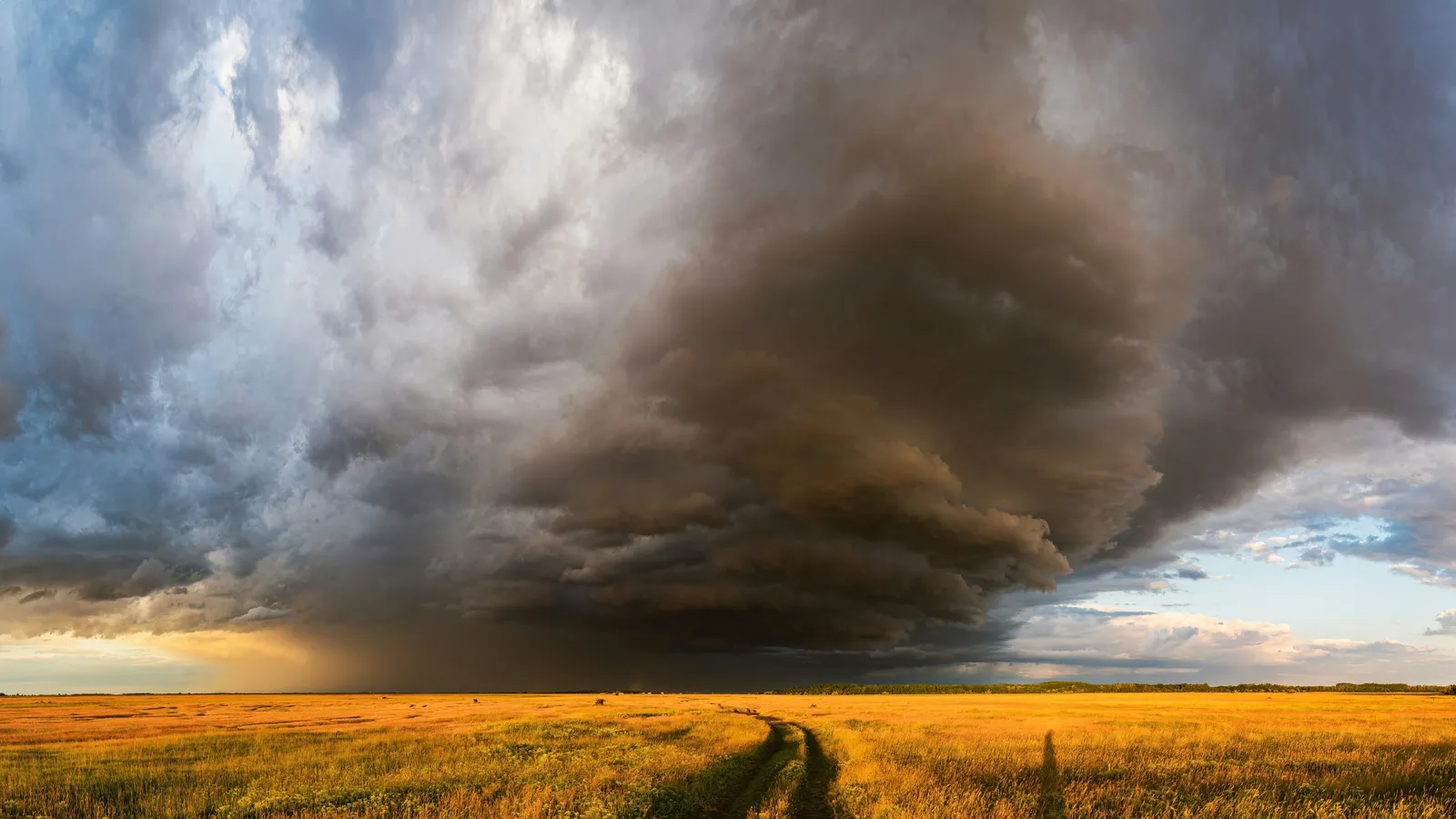
Three days of rain in New Harmony looks different than rain anywhere I’ve lived. The valley doesn’t get storms so much as it receives them, like someone handing you a heavy box that catches you off guard. 5.15 inches fell over seventy-two hours. The red dirt drank as much as it could. The rest pooled at the base of the cottonwoods and slopped down the drives in thick rivulets. The gutters tried their best to keep up while the mountains live in a curtain of mist like they were trying to stay anonymous for a while.
The engineer in me couldn’t help but do the math. One inch of rain over a square foot is about 0.52 gallons (give or take). Multiply that by 5.15 inches, then multiply again over the square footage of the roof. Consider the weight of a gallon of water at just about 8 pounds. The numbers stack unbelievably fast. A house isn’t meant to shoulder that kind of load all at once. The earth isn’t either. If that storm had dropped all its weight in a single moment, it would have crushed everything in its path. Foundations would crack under the load and the roots of trees three and four feet below ground would break under the unbelievable pressure.
But it didn’t fall all at once. Yes, it was impossible for the ground to receive so much water as it fell. Yes, there was some damage from flooding, but it fell slow enough for everyone to keep living underneath it without fear.
It’s the gentleness and the volume that stopped me short.
Science measures the power of storms by their force, their surge, and their violence. As you stand and watch a storm unfold with water beading on railings and the steam lifting from the asphalt as the first drops fall, it’s interesting to realize that the miracle isn’t in a storm’s power, but in restraint. The clouds held all that weight in suspension, miles above the earth, and let it fall in measures that the earth could handle. They waited. They released only what the valley could handle.
Vapor pressure, gravity, condensation; all ideas of atmospheric science. But none of that makes it less remarkable that the atmosphere can carry hundreds of thousands of tons of water overhead and then offer it to the earth with such patience. There’s an order to it, a mercy woven into the laws that govern sun and air and storm. Creation doesn’t just display power. It tempers it. It knows how to hold back.
Somewhere in the middle of those three days, I found myself thinking about the phrase that has followed me for years: the immediate goodness of God. Whether you believe in God or not, it’s an idea you can’t outrun. It’s a simple idea but also incredibly profound. Like rain that could have destroyed everything but didn’t. Like a storm that had every right to break the valley open, but instead fed it.
I carried my own storms through those same days. Nothing as dramatic as 5.15 inches of rain over three days. Just the normal weight of leading, husbanding, fathering, building, worrying, and trying to be enough for everyone who depends on me. I’ve rained too hard before. On myself mostly and hardest of all. I’ve convinced myself that intensity counts as devotion. That pushing through is the same as being faithful. That pouring everything out all at once is somehow noble.
It isn’t. It’s just force.
But I’ve had quieter moments, too, where I held back instead of reacting, where I spoke softer than my frustration wanted me to, and where I rested even though my calendar insisted I didn’t have time for it. Years ago, those moments would have felt like weakness. Not anymore. Those ones felt stronger than anything I’ve ever muscled through. Like mercy was moving through me instead of effort.
Maybe maturity is simply learning to carry weight without crushing the ground beneath you. Maybe it’s knowing when to release something slowly so it nourishes instead of erodes.
On the third morning, when the rain eased into a mist barely visible unless you leaned into it, the smell of wet earth rose up from the ground. There’s no scent like it. Puddles gathered in the shallow dips of the road, holding those final pieces of the broken sky. The gutters finally caught up. The town felt cleaner, almost tender, as if it had been washed in something more than water.
That’s when it clicked for me: everything grows because the storm arrives gently. The soil can only absorb what it has time to hold. The same is true for people. You can’t force growth by dumping everything at once. You can’t heal by intensity alone. Forgiveness doesn’t take when you deliver it like a verdict. Love rarely survives the downpour. But let any of those things fall slow enough, and they soak in.
After a hard storm, the earth gives under the lightest footsteps. It’s a reminder of what it has endured and how it has softened in the process. Small branches lay where the wind asked too much of them, but nothing was ruined. Nothing broke open beyond repair. The mountains stepped back into view. A few drops clung to the pines like stubborn punctuation.
The world is heavy. It always has been. But it holds itself with care. It carries its storms with patience. It releases what it must, when it can be received. Creation doesn’t apologize for its weight, and it doesn’t flaunt its power. It simply lives by a rhythm that refuses to destroy what it was created to sustain.
I want to learn to live like that. To bear what I’ve been given without spilling it everywhere. To let go slowly instead of violently. To offer whatever I have in amounts that nourish rather than overwhelm.
The storm taught me that strength isn’t in the downpour, but in the mercy that keeps it from crushing what it was meant to sustain.
And that is enough.
Comments