The Rooms Where Time Stops
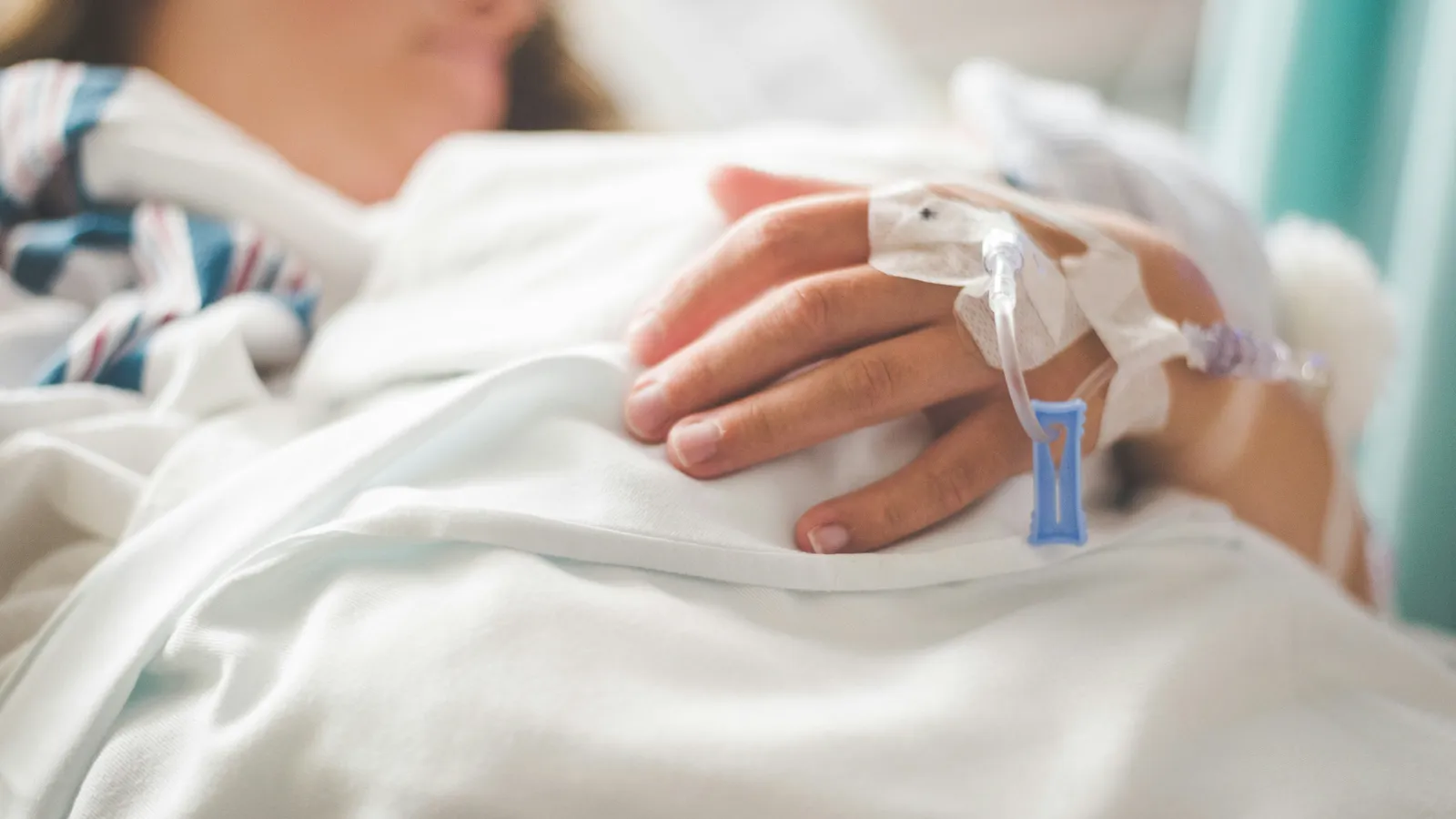
The air conditioning hisses overhead, almost drowning out the sound of the Life Flight helicopter just outside the hospital room window’s thick glass.
My aunt, my mother’s oldest sister, lies dying in the bed beside me.
Eleven days ago, I brought her to the hospital because of difficulty breathing: congestive heart failure, something she’d been dealing with for years. It was time, once again, for aggressive medications to pull excess fluid from her body.
Then came the stroke. Or something else.
She went from a vibrant, fully alive person to a shell of her former self, clinging to life with occasional glimmers of hope that she might somehow recover.
The MRIs, CT scans, and x-rays tell a different story. A lesion, or something like it, growing rapidly in the midbrain. Inoperable, even if the anesthesia itself didn’t prove fatal first. There are still so many things medicine cannot explain or solve.
Her name is DeAnne.
When my mom got sick in 1988, DeAnne was there. She was always there. She never married and never had children of her own, so in many ways we became her surrogate children. During my mother’s illness, DeAnne would regularly take us to her condo for the weekend just to give my parents time to breathe for a moment. They were carrying so much.
I learned how VCRs worked on weekend trips to Blockbuster Video back before most people owned a VCR. My siblings and I would carry the machine in its double-handled blue rental bag dangling between us from the Blockbuster on the corner back to DeAnne’s two-bedroom condo. I became the “technician” to hook it to the TV with its included coaxial cable.
I also learned how to make the perfect Eggo waffle in her toaster oven. We never had Eggos at home, so it always felt like a special occasion at DeAnne’s.
My mom and DeAnne were close friends long before my mom’s sickness entered the picture.
I wasn’t there when my mom died. I was at school being my usual obnoxious self while my dad carried the unbearable weight of having to let her go.
Now I carry the grief of telling the doctors it’s time to let DeAnne go.
Time behaves strangely in hospitals.
I’ve been in this room fourteen to twenty-four hours a day for the last five days. After returning from an East Coast trip, I settled onto the couch-bench beside DeAnne’s bed shortly after she began her turn for the worse.
Each day, I arrive around 8:00 in the morning and stay until 10:00 at night or later, when one of my siblings comes to take the night shift.
We never want her to be alone.
She lived alone most of her life and fiercely valued her independence, but she also loved being surrounded by people.
People she loves and who love her.
Now I sit as the hours pass, waiting for the moment when she finally exhales her last breath and the heart that has worked so hard to keep her alive finally rests. The heart that loved leaves behind the people who loved her here and goes on to greet the people waiting for her on the other side of death.
“Time passes differently in hospitals,” my wife told me.
She was right.
You can sit and watch the minutes crawl by while somehow the hours disappear as family and friends gather quietly around a life well lived, sharing stories in hushed voices.
That was our DeAnne.
Trips to places around the globe. Dance classes. Tuesday lunches with friends from every walk of life.
Someday soon, this room will finally grow still. The machines will stop humming and beeping. The waiting will end.
But long after this hospital room empties, I know I’ll still think about Blockbuster runs, toaster waffles, hide-a-bed couches, Tuesday lunches, and the woman who quietly helped carry our family when we needed her most.
Maybe that’s what it means to really live.
To leave behind people who cannot imagine the world without you in it.
Comments