Tomorrow and the Days After
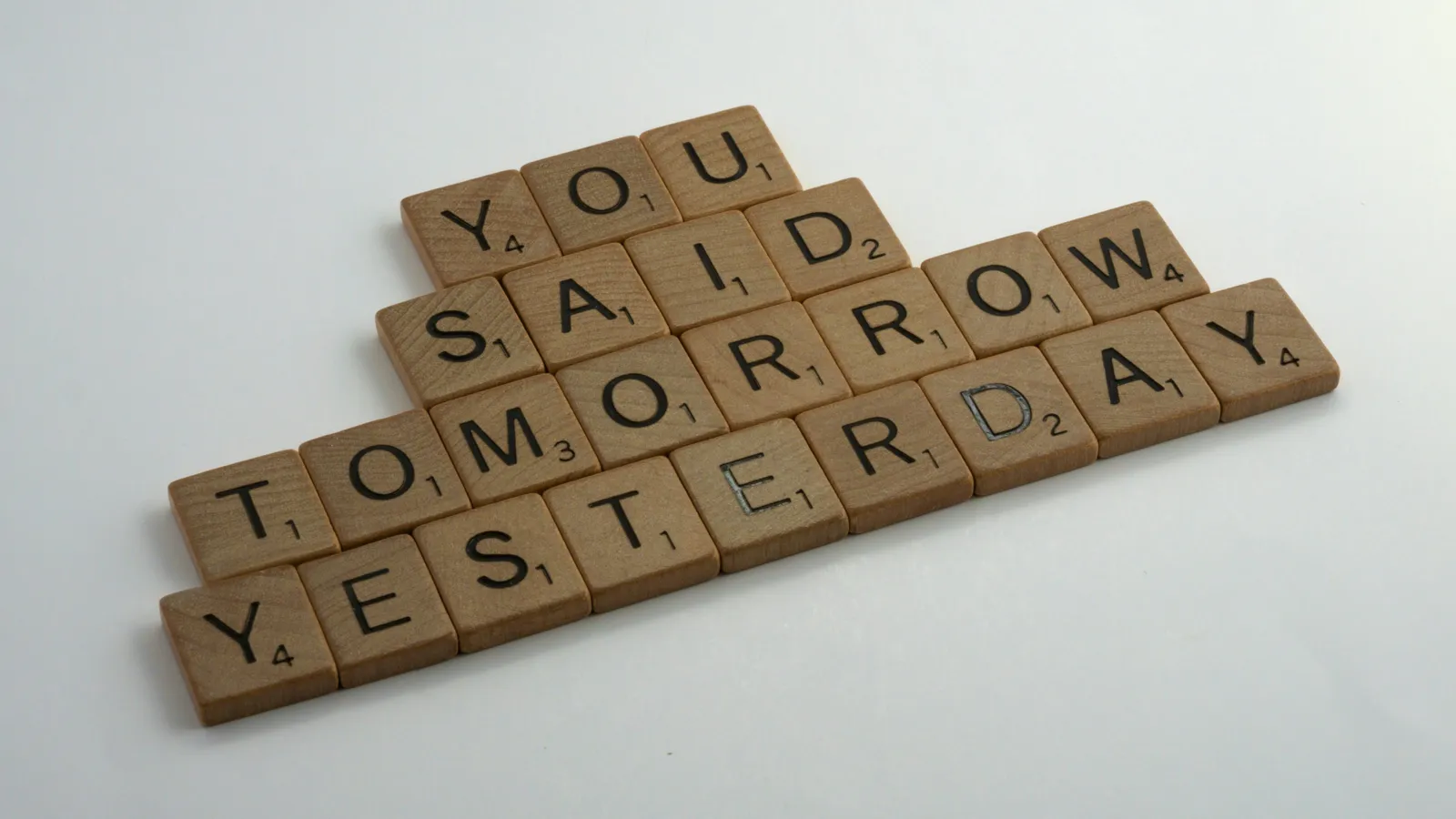
“I know I’ve said it a dozen times before, but I’m really going to do it this time.”
My wife nodded. It wasn’t the kind of nod that told me she believed what I was saying. It was the nod of someone who knew she’d just heard the baker’s dozen, and that it probably wouldn’t be the last time.
This particular “declaration” had to do with getting back to a healthy weight. I’m not overly corpulent, but my body feels every step when I run. When I wake up in the morning, my back aches, reminding me that the extra weight I carry isn’t tax free.
I’ve been circling this idea a lot recently. I know exactly what to do: eat a little less, move a little more, sleep enough, repeat. There’s not some hidden chapter in a physiology or biology textbook that explains why those rules don’t apply to me.
Knowledge isn’t my problem.
Scott H. Young wrote, “There will always be a gap between our highest pursuits and our everyday reality. But being mindful of that gap is one of the best motivators to make change.”
When I look at my own life through the lens of what Scott wrote, I realize something uncomfortable: I’m very good at creating the gap. I’m just not very good at letting it motivate me.
Nothing we do can change the past. Someone may forgive you for the harsh thing you said, but you can’t un-say the words. Broken promises can’t be unbroken. Failing to meet obligations will always have consequences that can’t be erased.
Our yesterdays and todays are where we create consequences. Tomorrow will always create new opportunities. Those truths often crash into each other like freight trains.
I’m a person with lofty ideals and a thousand unfinished projects. I’ve started far more things than I’ve ever finished. That’s not always a bad thing. The sunk cost fallacy reminds us that continuing simply because we’ve already invested time or money is often irrational. Sometimes the wisest decision is to walk away before we waste even more.
Other times, though, the problem isn’t quitting too early. It’s believing that tomorrow will somehow turn us into an entirely different person.
I often wake up around 3:30 in the morning with a kind of existential dread about our current situation. I owe contractors tens of thousands of dollars with no clear path to paying them. I have a product sitting within inches of market readiness, complete with verifiable customer demand, but no team left to finish building it.
This is where the pattern of “Aaron the center of all things” shows up.
I’ll just work harder.
I’ll do more.
I’ll move faster.
I’ll somehow conjure more time and energy into existence than the universe is willing to give.
As though the rhythm of our planet and the physiology of the human body were waiting for me to discover a loophole that productivity experts somehow missed.
When I look at the gap between who I am and who I want to become, I instinctively see a mountain that needs to be moved in one heroic effort. So I push as hard as I can for as long as I can until, inevitably, my body says, “We’re not doing this anymore.”
Then I crash.
On the rare occasion I get enough sleep, my sleep debt is so high that I’m exhausted even on days when I technically slept enough.
Over the last twenty-six years of working, I’ve developed this belief that a better future starts after one grand act of transformation or a prolonged period of insane effort.
Even though I’ve attempted it multiple times, it never works. The transformation usually comes after executing consistently on a series of ordinary choices.
Delete the time-wasting apps.
Don’t snack mindlessly.
Go to bed when you know you should.
Answer the difficult email.
Practice a little bit of wisdom or at least some common sense.
None of those choices is heroic on its own. None of them makes for an inspiring movie montage. They’re just ordinary decisions repeated enough times that they start to change the kind of person you become.
That’s the part of Scott Young’s quote that I’ve wilfully ignored for years. The gap isn’t there to shame us into submission. It’s there to give us direction. I needs to be viewed like a compass, not a courtroom.
Tomorrow, by itself, isn’t where change happens. Neither is next Tuesday or Friday.
The life we’re hoping for isn’t built in a single dramatic moment of transformation. It’s built across the ordinary days that follow, when yesterday’s failures still exist, tomorrow’s possibilities still beckon, and we choose to take one more step in the right direction.
We can’t cross the gap all at once. We have to cross it through deliberate actions repeated across many ordinary days.
Comments