Despair Cries Boldly, Claiming Victory
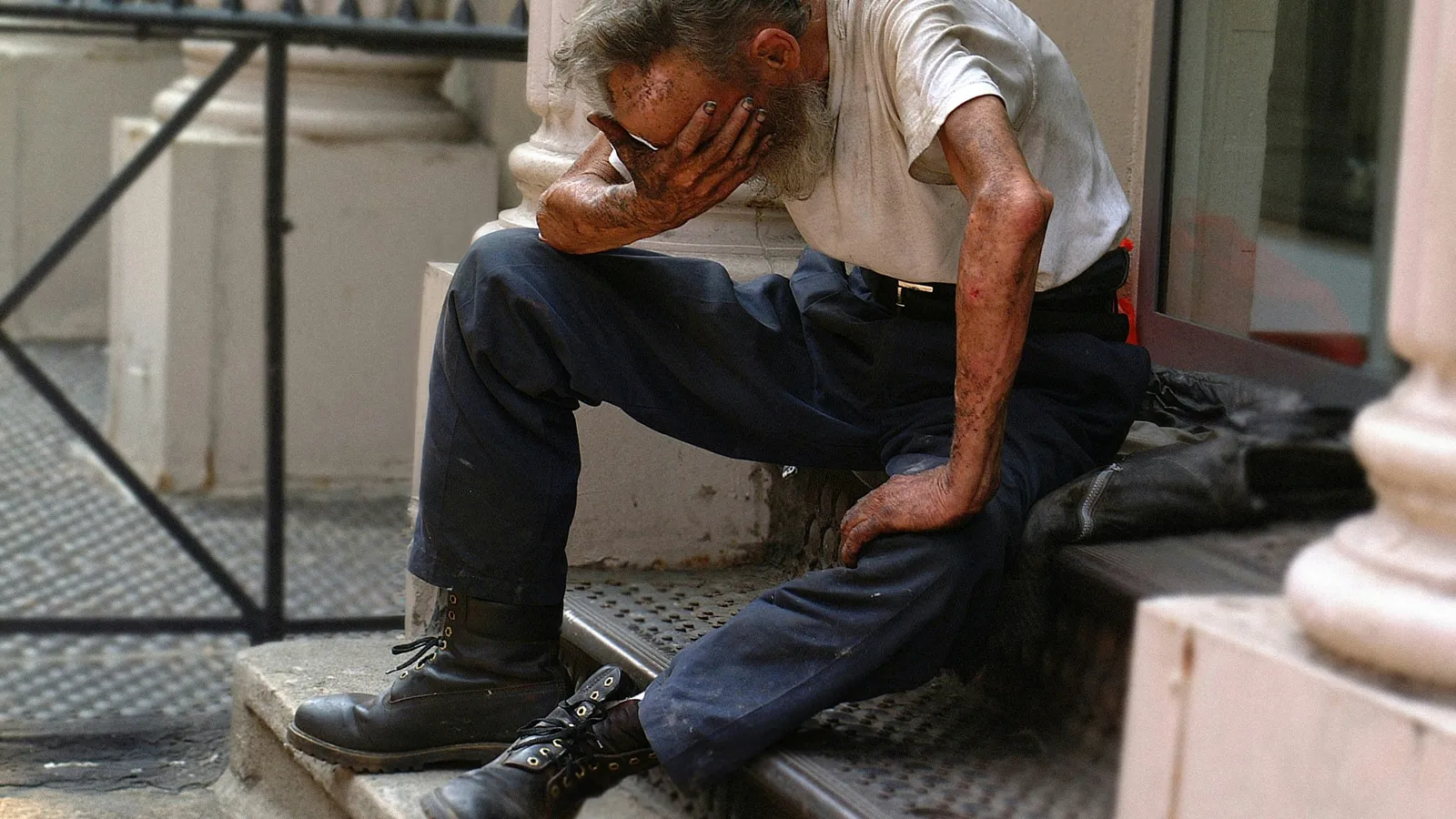
Despair has a remarkable way of sounding certain.
It practically shouts its declaration that the story is already over. The final page has been written, the verdict has been rendered, and nothing you do from this point forward will matter.
I know that voice.
Over the last four months, the company I’ve worked so hard to build ran out of money. I still owe former team members tens of thousands of dollars in unpaid compensation. To keep food on the table, I took a full-time consulting job while trying to push my own company’s products toward the market in the early mornings and late evenings. My family is financially stretched. I buried one of my closest friends — my aunt DeAnne — and have spent the weeks since handling the affairs of her estate. Most days, I feel like I’m absorbing uncertainty on behalf of other people so they don’t have to carry all of it themselves.
I’m exhausted all the time.
Whether you’re religious or not, I hope you’ll indulge me for a moment because I can’t think of a better picture of what despair sounds like.
Imagine standing at the foot of the cross.
The One who healed the blind, raised the dead, walked on water, and fed thousands now hangs silently except for the sound of labored breathing. His followers are scattered. Rome appears to have won. The religious establishment appears to have won. Death itself appears to have won.
Every observable fact supports despair. That’s what made that day feel so final.
Rob Gardner captured the moment in his oratorio Lamb of God with a single line that is a gut-punch every time I hear it:
Here despair cries boldly, claiming this its vict’ry.
I think part of the reason I love this phrase is because it doesn’t pretend despair is quiet because it’s not. It’s loud and speaks with absolute certainty. It insists that suffering has written the ending we deserve.
We don’t have to stand at the feet of someone nailed to a cross to feel the bitter weight of despair.
I’ve written a number of times that I was only fourteen when my mother died. That was my personal Golgotha’s Hill.
One of my favorite moments in The Lord of the Rings: The Two Towers comes after Frodo collapses beneath the impossible weight of the Ring.
“I can’t do this, Sam.”
Sam’s response has become one of the great speeches in modern storytelling, but two lines in particular carry the power:
“It’s only a passing thing, this shadow. Even darkness must pass.”
And later:
“There’s some good in this world… and it’s worth fighting for.”
It didn’t hit me until recently that Sam and Rob Gardner are saying the same thing: Despair keeps declaring victory before the story is over.
Despair is a terrible narrator because it’s forever mistaking the current chapter for the final one.
Hope, though, is remarkably humble in its declarations. It hardly ever promises that everything will work out exactly the way we’d like. Hope won’t deny suffering or pretend grief isn’t real, but it does refuse to conclude that today’s evidence is enough to explain tomorrow.
Despair claims certainty while hope asks for patience.
When my mother died, despair’s conclusion seemed entirely reasonable. She was my best friend and my safe place. There wasn’t a version of life I could imagine that wasn’t permanently diminished by her absence.
What despair ignored, however, was my father and my siblings.
It failed to account for my Aunt DeAnne, other extended family, friends, teachers, church leaders, and countless neighbors stepping into the empty places she left behind.
It always fails to account for the remarkable resilience God seems to have woven into the human soul.
The grief never really disappeared, but neither did the love, the laughter, or the joy.
My mother’s death wasn’t the end of my story. Looking back now, I can see her death as the beginning of a chapter I never would have chosen. But it’s one that’s filled with remarkable people, unexpected kindness, and seasons of genuine happiness I couldn’t possibly have imagined while standing in the middle of my own Golgotha.
There’s reason to be suspicious—always—of despair’s confidence.
Today despair tells me that my company’s failed, that I’ll never repay the people I owe, and that financial pressure will eventually become too much. It tells me this difficult season is the full measure of my life: that I’ll never be more than the guy who failed.
But it’s wrong. It’s a liar. It was wrong when I was fourteen. It was wrong about Calvary. And I have to believe it is wrong again.
I don’t know how my story ends. I don’t know how long this difficult season will last. I don’t know whether my company will ultimately succeed or if it will fade into a lesson that I’ll tell my grandchildren about someday.
What I believe is this: despair is neither now nor ever will be qualified to write the ending. It may cry boldly and claim its victory, but history suggests it’s a remarkably poor editor.
Comments